
Anti-inflammatory diet: how eating reduces inflammation and the risk of chronic diseases
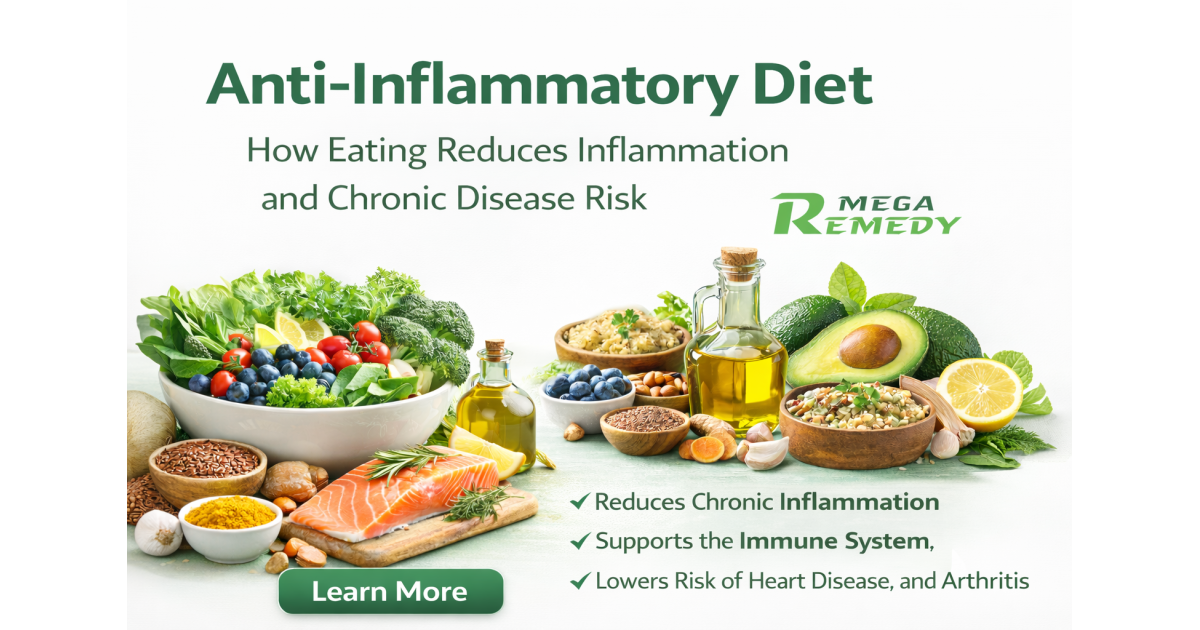
The anti-inflammatory diet is a long-term eating pattern that aims to reduce chronic inflammation in the body and support normal immune system function. This way of eating is associated with a lower risk of cardiovascular disease, type 2 diabetes, arthritis, metabolic syndrome, and other chronic conditions.
The anti-inflammatory diet is based on whole, minimally processed foods—fruits, vegetables, fish with omega-3 fatty acids, nuts, seeds, olive oil, and spices with proven anti-inflammatory properties.
What is an anti-inflammatory diet?
An anti-inflammatory diet is not a strict regimen or a short-term diet, but a sustainable way of eating, similar to the Mediterranean diet. Scientific studies show that this dietary pattern lowers levels of inflammatory markers such as CRP, IL-6, and TNF-α, contributing to better long-term health.
Acute versus chronic inflammation
- Acute inflammation is a normal protective response to infection or injury.
- Chronic inflammation is low-grade, prolonged, and often goes unnoticed, increasing the risk of a number of diseases.
Nutrition plays a key role in controlling this process.
Basic principles of anti-inflammatory nutrition
1. More plant-based foods
The basis of every diet should be:
- vegetables and fruits
- legumes
- whole grains
They provide fiber, vitamins, minerals, antioxidants, and polyphenols, which reduce inflammation and support gut health.
2. Healthy fats
The anti-inflammatory diet focuses on:
- extra virgin olive oil
- nuts and seeds
- avocados
Saturated fats are limited and trans fats, which increase systemic inflammation, are completely avoided.
3. Regular intake of omega-3 fatty acids
The omega-3 fatty acids EPA and DHA have a proven anti-inflammatory effect. It is recommended to eat oily fish at least twice a week:
- salmon
- sardines
- mackerel
- herring
For people who do not eat fish, alternatives include flaxseed, chia, walnuts, or omega-3 supplements after consulting a specialist.
4. Limiting processed foods
Highly processed and ultra-processed foods:
- increase inflammatory processes
- worsen blood sugar control
- increase the risk of chronic diseases
It is recommended to minimize packaged snacks, sausages, fast foods, and sweetened beverages.
5. Sugar control and stable blood sugar
According to the World Health Organization (WHO), free sugars should be less than 10% of daily energy intake, and optimally less than 5%. Reducing sweet drinks and desserts helps control inflammation.
6. Part of a healthy lifestyle
The best results are achieved when the diet is combined with:
- regular physical activity
- sufficient sleep
- quitting smoking
- moderate or no alcohol consumption
Foods with anti-inflammatory effects
Fruits and vegetables rich in antioxidants
World Health Organization (WHO) recommends a minimum of 400 g of fruits and vegetables per day. The most beneficial are:
- dark green leafy vegetables
- cruciferous vegetables (broccoli, cauliflower)
- forest fruits
- citrus fruits
- tomatoes, carrots, pumpkin
- garlic and onions
Nuts, seeds, and vegetable oils
- walnuts, almonds, hazelnuts
- flax and chia seeds
- extra virgin olive oil
- avocado
They support lipid balance and inflammation control.
Foods that increase inflammation
For optimal results, it is important to limit:
- ultra-processed foods
- sugary drinks and pastries
- processed meats
- foods with trans fats
- excessive salt and alcohol
Conclusion
The anti-inflammatory diet is a scientifically based and sustainable eating pattern that supports the immune system, reduces chronic inflammation, and lowers the risk of serious diseases. It is not a temporary diet, but an investment in long-term health.
If you have chronic diseases or are taking medication, changes in your diet should be discussed with a doctor or clinical dietitian.
This text is for informational purposes only and does not replace medical consultation.

