
Feeding your baby: Recommendations according to age and development
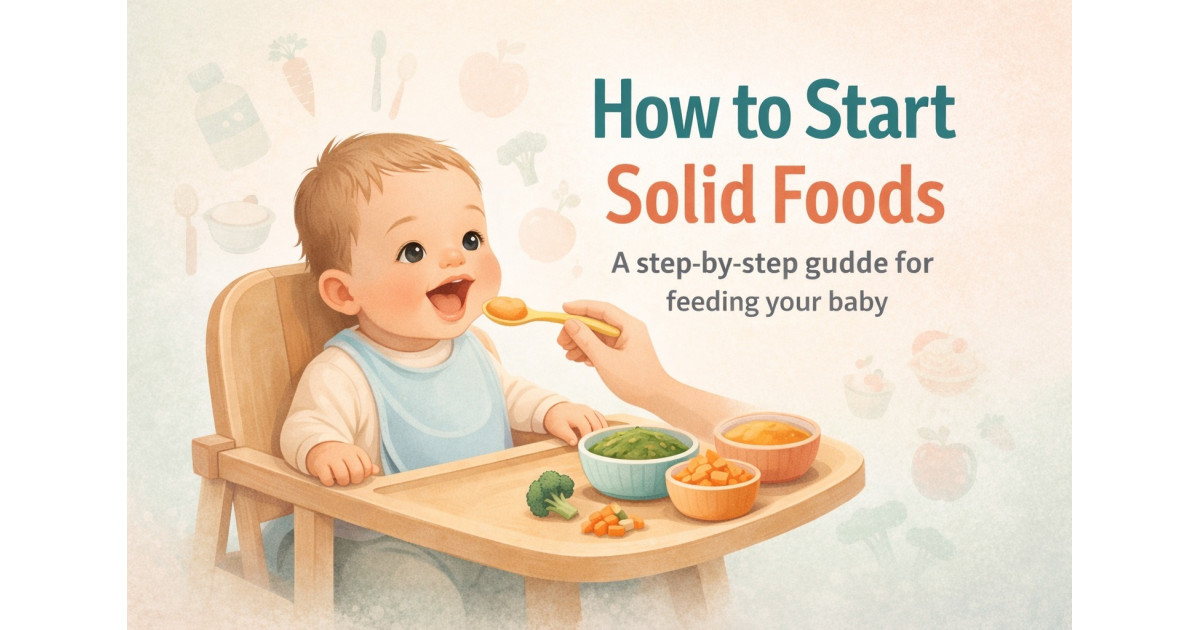
Feeding is one of the most important transitions in every baby's life. It lays the foundation for future eating habits, helps develop chewing skills, and enriches the taste palette.
When should we start feeding our baby?
The most appropriate time to start feeding is when the baby is between 4 and 6 months old. During this period, they can already hold their head steady, show interest in food, and have an increased appetite.
It is important to watch for signs of readiness – chewing behavior, ability to sit with support, and curiosity about the spoon. If your baby starts trying to imitate you while eating, this is a good sign that it is time to introduce the first foods.
Premature or delayed feeding can lead to difficulties, from food allergies to nutritional deficiencies. Consultation with a pediatrician remains mandatory, especially if the baby is underweight or has other health problems.
Introducing foods and the number of meals according to age
Variety comes gradually, step by step. The right feeding schedule makes the transition easier and reduces the risk of stomach discomfort or rejection of new foods.
4–6 months
This is the period of first attempts – a time to get acquainted with tastes and textures. Weaning begins with smooth textures and neutral flavors:
- vegetable puree (pumpkin, carrot, zucchini) – the first encounter with a non-sweet taste;
- gluten-free rice cereal – easy to digest, suitable for sensitive stomachs;
- fruit purees (apple, pear, banana) can be carefully introduced once the baby has accepted several vegetables;
- 1 meal per day, about 1–2 teaspoons, gradually increasing;
After a few days, introduce a new food, waiting at least 3–5 days between each new food.
During this stage, breastfeeding or formula milk continues to be the main source of nutrients. The goal is for the baby to get used to the spoon and develop an interest and desire for puree or juice.
6–8 months
The baby becomes more curious, more active, and more open to experimentation. Here is what is needed for feeding during this period:
- 2–3 main meals—breakfast, lunch, afternoon snack;
- introduction of meat (turkey, rabbit, veal) in small quantities;
- starting gluten – through cereal porridge (oats, wheat);
- the texture can become thicker, with soft lumps.
Monitoring for food allergies remains a top priority – a food diary is your faithful ally in tracking reactions.
9–12 months
The weaning menu now looks like a mini version of the family table:
- 3 main meals a day – breakfast, lunch, dinner, plus 1–2 snacks;
- fish and egg yolk can be offered – carefully, after consultation;
- include firmer textures – finely chopped or mashed foods;
- Encourage independent eating – small pieces of food that can be picked up with the fingers.
Iron becomes particularly important – meat and egg yolk should be included regularly. Continue breastfeeding or formula feeding, if applicable, but now as a supplement.
After 12 months
The baby officially enters a new phase – now a toddler with strong opinions and preferences. What is required at this stage of weaning?
- A balanced diet with four main meals and two snacks.
- They can drink fresh milk, but no more than 500 ml per day.
- Sugar, salt, and processed foods remain prohibited or severely restricted.
- Encourage participation in feeding – through cutlery, choice, routine.
- Rhythm and consistency are key. Feeding is now a social ritual – a time for sharing, learning, and connecting.
Tips for a successful transition to solid foods
The transition from breastfeeding or formula to solid foods is not a moment, but a process. It requires observation, patience, and attention to detail.
The following proven tips will help you get through the weaning stage with more confidence and less stress—both for you and your baby.
Choose the right moment
Weaning is a change that requires calmness and balance. If your baby has a fever, is feeling unwell, has a toothache, or is emotionally unstable, their body is preoccupied with other priorities. At such times, digestion may be more difficult and appetite may be reduced. Postponing for a few days is better than failing at the first attempt.
Use the same spoon, place, and time
Routine is an important part of a young child's daily life. When the spoon, high chair, and feeding time are the same every day, the baby feels safe and predictable. This helps build habits and makes it easier to adapt to new experiences.
Follow the "one new food every 3-5 days" rule
When introducing a new food, your baby's body may react with a rash, swelling, diarrhea, or irritation. If several foods are introduced at once, it is difficult to determine the source of the problem. By observing an interval of 3-5 days, you give yourself time to watch for food allergies and react in time.
Avoid distractions
Focus during feeding is important, especially in the early stages. Noise, bright screens, or toys prevent the baby from concentrating on the new food and its consistency. A quiet, calm environment facilitates the perception of taste and the rhythm of feeding.
Do not force your baby!
You should never force your baby to eat. They communicate through gestures and expressions whether they are hungry or full. Pressure can lead to food rejection and long-term aversion to the process.
Pay attention to consistency
As children grow older and their teeth develop, their ability to eat changes. Initially, food should be smooth and homogeneous. Over time, move on to purees with lumps, mashed pieces, and finally to a firmer consistency, depending on the child's chewing and swallowing abilities.
Keep a food diary
A food diary is a useful tool when introducing solid foods. It records the foods introduced, the amount, and any reactions—rash, change in bowel movements, sleepiness. This facilitates communication with your pediatrician and allows you to track your baby's nutritional progress.
Encourage experimentation
Eating is not just about satisfying hunger – it is also a sensory experience. When your baby touches, squeezes, and tastes with their fingers, they learn and develop coordination. Let them get messy, feel the food, taste it from the spoon, and choose.
Ensure a comfortable position
Safety is a must. Your baby should sit upright, with support for their back and stability for their head. Incorrect posture can lead to choking or discomfort. A suitable high chair with a backrest and footrest creates a feeling of security and comfort.
Set an example
Children learn by imitation. When your baby sees their parents eating with pleasure, using cutlery and showing interest, they will naturally want to participate. Eating together strengthens the emotional bond and creates positive associations with the family table.
These tips will make feeding a pleasant adventure rather than a stressful task. The gradual and respectful introduction of solid foods lays the foundation for a healthy attitude toward food.
Feeding is the basis of your baby's food culture. When the approach is informed, caring, and consistent, each spoonful becomes a step toward independence, health, and joy.
This article is for informational purposes only. Before taking any action related to your health, it is advisable to consult a doctor or specialist in the relevant field.

